A Winery—in Brooklyn?
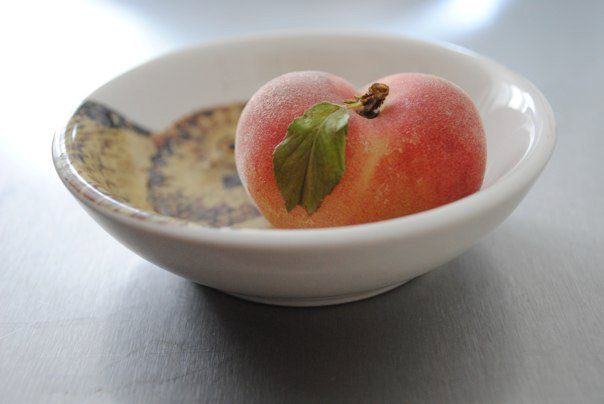
With the recipes for Peaches in Red Wine and Pears Simmered in Red Wine.
When you open the door that separates the vestibule from the main hallway in many Brooklyn tenements, you encounter an exotic, fruity but almost acrid odor. Follow your nose to the back of the hallway where the door with the hook and latch leads to the cellar stairs. The smell grows stronger as you descend the rickety, poorly lighted staircase. Brush away a few cobwebs on your way down. When you reach the last step, pull the string on the overhead light.
And you behold devices that resemble ones you’d find in Dr. Frankenstein’s laboratory, and that scare the socks off anyone younger than 10. Center stage: a huge barrel with a medieval-torture device set atop it. Strainers, bottles, flasks, tin cups, corks, and an evil-looking iron device with a ratcheted handle, overflow the shelves. The reason for the presence of all this regalia rests on the floor next to the barrel: boxes, boxes, and more boxes of concord grapes, thick skinned, deep-blue purple grapes with shiny-green-globed interiors housing chewy brown seeds.
You’ve stumbled into a winery. No, it isn’t like one in Tuscany or in Sonoma, or in the Napa Valley. It’s in Brooklyn, and it’s 1947, and the late-summer task of coaxing the juice from the grapes is about to begin.
The vintners descend the stairs; they wear white sleeveless tees, a bandana around their sun-tanned necks (they’re all in construction—outdoors, every day), and concrete-stained work boots—the only casual shoes they own. And who follows behind them? The wives, the nonnas, in their usual multilayered summer finery.
The nonnas stand ready to wash the fruit before it goes through its excruciating cycle in the press. There’s a brief tug-of-war between a vintner and a nonna as she singlehandedly lifts a box of grapes. She will accept help from no man. In fact, she lowers one end of the crate to free her hand to give him the sign of the mal’occhio, the evil eye. That should put him in his place.
The nonnas wash the grapes in the deep limestone sink, and deposit the clean fruit in huge galvanized tubs. Is their work here finished? Well, maybe. But… first, they have to give a few reminders to the men emptying the tubs of grapes into the barrel. “Last year, you made it too weak,” one says. “And the one from Don Ciccio put ours to shame,” says a nonna who is already ascending the stairs but insists she must be heard. And drying her hands on her ever-present front apron, nonna number three says, “And don’t forget to save two boxes so we can make jelly.” The final muted cry comes from the top of the stairs, “Make sure you make enough to give a few bottles to the nuns.”
Peaches in Red Wine
Before Bellinis became popular, before prosecco became a household word, and before balsamic vinegar became the topping of choice for a bowl of strawberries sprinkled with freshly ground pepper, red wine was the favored accompaniment for many fruit dishes.
Serves four
- 2 large very ripe peaches, halved
- 1 cup good quality dry red wine
- In each of four old-fashioned glasses, place a half peach. Pour an equal amount of red wine over each.
- Serve accompanied by a dessert spoon.
Pears Simmered in Red Wine
Serves four
- 1 1/2 cups good quality dry red wine
- 1/3 cup sugar
- Pinch of salt
- 2 cloves
- 1 1-inch strip lemon peel
- 2 large pears, peeled, cored, and halved
- Hazelnut gelato
- Bring first five ingredients to a simmer. Cook over medium heat about 5 minutes or until alcohol evaporates.
- Add pears. Cover, simmer, over low heat 10 minutes, or until pears are tender but not soft, when pierced with a fork.
- Remove pears to serving dishes. Over low heat, gently reduce liquid until it thickens and forms a syrup. Remove cloves.
- Place a scoop of gelato alongside each pear half. drizzle syrup over pear and gelato. Serve.